Many homeowners assume that adding an EV charger, heat pump, electric range, or solar system automatically means they need a new electrical panel.
That is not always true.
You may need an electrical panel upgrade if your home’s existing service capacity is no longer large enough for the electrical loads you want to add.
But the decision should be based on actual load calculations, panel condition, breaker space, and the type of new equipment being installed.
In many cases, an older 100-amp service may be enough for a modest home.
In other cases, upgrading to 200 amps may be the more practical long-term solution.
Here are seven signs that an electrical panel upgrade may be worth considering.
1. You Have a 100-Amp Service and Are Adding Large Loads
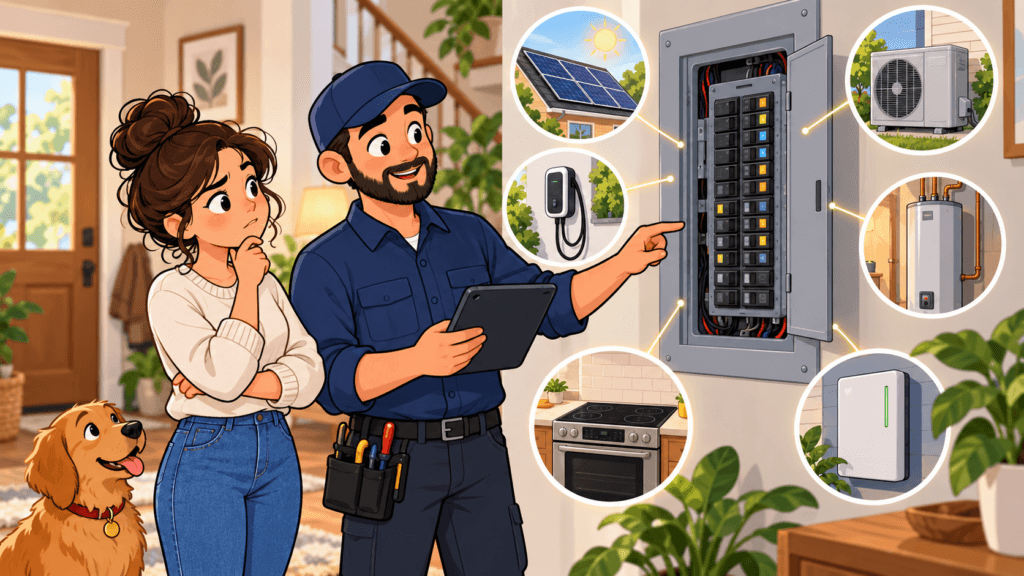
One of the most common reasons for a panel upgrade is electrification.
Modern homes can have several large electrical loads, including:
- EV chargers
- Heat pumps
- Electric water heaters
- Electric ranges
- Clothes dryers
- Hot tubs
- Central air-conditioning systems
A 100-amp service may work perfectly well in a smaller home with limited electrical loads.
But if you start adding several high-power appliances at the same time, available capacity can become tight.
This is where a proper electrical load calculation matters.
The main question is not simply:
“How many appliances do I own?”
It is:
“How much electrical load could reasonably operate at the same time?”
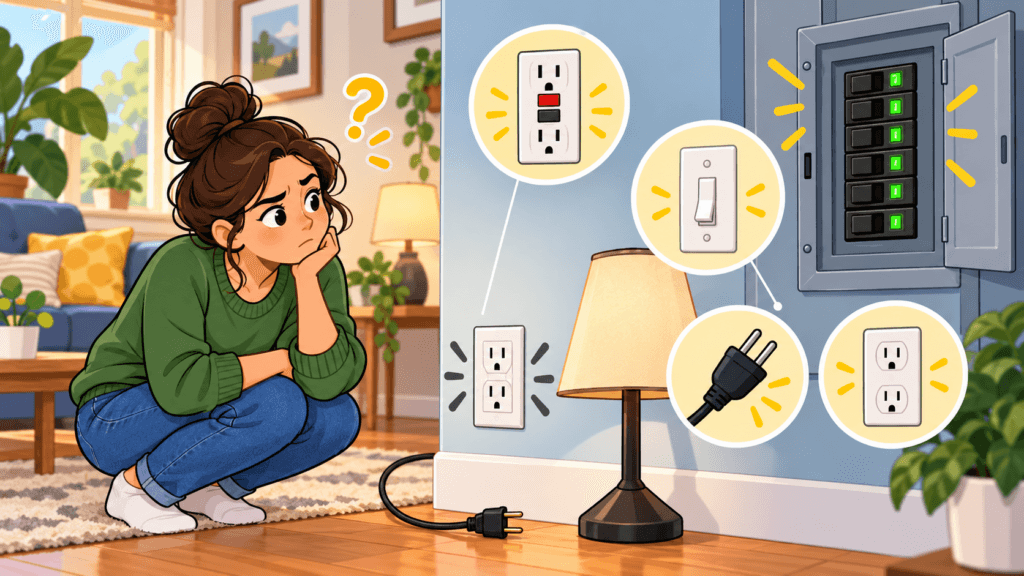
2. Breakers Trip Frequently
A breaker that trips occasionally because too many appliances are running on one branch circuit may not mean the entire electrical panel needs replacement.
But frequent breaker trips are a warning sign.
Repeated trips can indicate:
- An overloaded circuit
- A short circuit
- A ground fault
- A failing breaker
- Too much load on the electrical system
If several circuits regularly trip when normal household equipment is operating, your home’s electrical capacity may need to be evaluated.
Do not simply install a larger breaker.
Circuit breakers are sized to protect the wiring connected to them.
Changing breaker size without checking conductor size can create a serious fire hazard.
3. You Are Installing an EV Charger
EV chargers are one of the biggest reasons homeowners start asking about panel upgrades.
A Level 2 charger can add a substantial continuous load to the home.
However, installing an EV charger does not automatically mean you need a 200-amp service.
A qualified electrician should first evaluate the existing service and perform a load calculation.
Sometimes there is enough capacity already.
Other homes may be able to use an energy-management system that reduces EV charging when household demand is high.
And in some cases, a service upgrade really is the most practical solution.
The correct answer depends on the house.
4. Your Panel Has No More Breaker Space
Sometimes electrical capacity is not the immediate problem.
Physical space is.
If every breaker position is already occupied, adding a new circuit can become difficult.
There may be options such as:
- Installing an approved subpanel
- Using manufacturer-approved tandem breakers where permitted
- Reconfiguring existing circuits
- Replacing the panel with a larger one
But panel space and service capacity are not the same thing.
A panel can have plenty of empty breaker positions and still lack enough electrical capacity.
Likewise, a panel can be full even when the overall service has plenty of capacity.
5. You Are Converting the Home From Gas to Electric
This is becoming increasingly important.
A home that previously used gas for heating, hot water, cooking, and clothes drying may have relatively modest electrical demand.
If those systems are replaced with:
- Heat pumps
- Electric water heaters
- Induction ranges
- Electric dryers
the electrical load profile changes dramatically.
Adding one electric appliance may not create a problem.
Converting several major appliances can.
For homeowners planning a major electrification project, it often makes sense to evaluate the electrical service before purchasing equipment.
6. The Panel Is Old, Damaged, or Shows Signs of Heat
Capacity is not the only reason to replace an electrical panel.
Condition matters too.
Warning signs include:
- Rust or corrosion
- Burn marks
- Melted components
- Buzzing
- Unusual heat
- Loose breakers
- Damaged bus bars
- Water intrusion
If a panel shows signs of overheating or physical deterioration, it should be inspected by a licensed electrician.
A panel can technically have enough capacity and still need replacement because of its condition.
This is an important distinction.
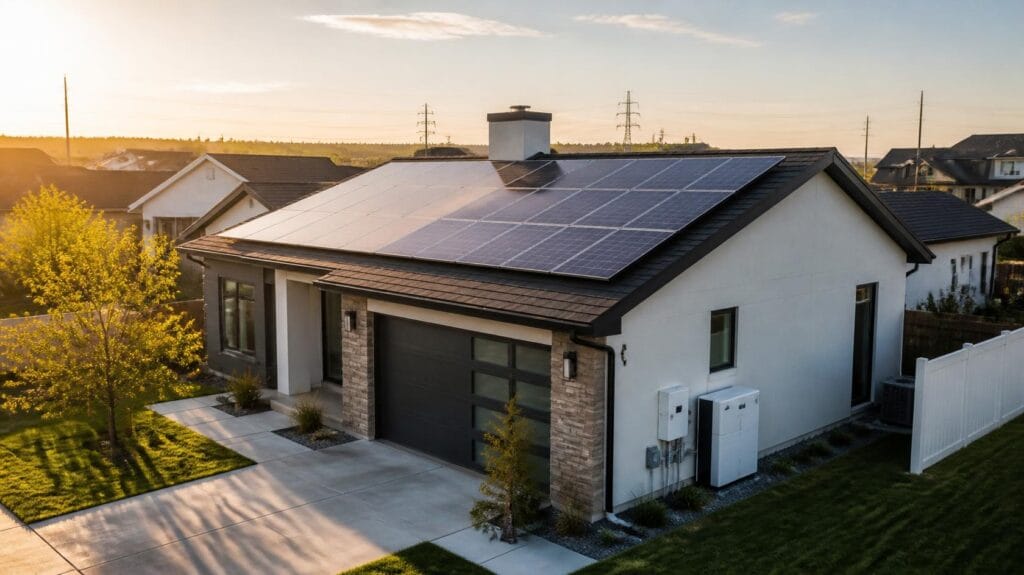
7. You Are Planning Solar, Battery Storage, or Major Electrical Work
Solar and battery systems can also trigger panel questions.
The existing panel has to safely accommodate the new equipment and the way power flows through the system.
Depending on the project, the installer may evaluate:
- Main breaker size
- Busbar rating
- Available breaker positions
- Service entrance equipment
- Interconnection method
- Backup power configuration
Some projects can work with the existing panel.
Others may require a panel replacement or service upgrade.
Again, the right answer depends on the actual electrical design.
100 Amp vs. 200 Amp: Do You Really Need 200 Amps?
A 200-amp service has become common in many modern homes because it provides more room for large electrical loads.
But 200 amps is not automatically necessary for every house.
A smaller home with gas heating, gas hot water, and no EV charger may operate comfortably with 100 amps.
On the other hand, a fully electric home with EV charging, heat pumps, an electric range, and other major loads may benefit from 200 amps.
The correct way to decide is through a load calculation, not guesswork.
My View From the Electrical Construction Side
From my perspective working around electrical construction, I think homeowners sometimes focus too much on the number printed on the main breaker.
They see 100 amps and immediately assume it is outdated.
Or they see 200 amps and assume they have unlimited capacity.
Neither is correct.
The entire electrical system matters.
You have to look at the service size, panel rating, branch circuits, conductor sizes, major loads, available spaces, and how the equipment will actually be used.
For me, the biggest mistake is upgrading equipment without understanding the load.
A larger panel by itself does not create more utility service capacity.
If the service entrance, meter equipment, or utility connection also needs to change, the project can become much larger.
That is why I would always start with a load calculation before deciding whether a full service upgrade is necessary.
Can You Avoid a Panel Upgrade?
Sometimes, yes.
Depending on the home, possible alternatives may include:
- Load management
- EV charging controls
- Smart energy-management systems
- Installing a subpanel
- Replacing inefficient appliances
- Choosing lower-power equipment
These options do not work in every situation, but they can sometimes avoid unnecessary electrical work.
The goal should not be to avoid an upgrade at all costs.
The goal should be to determine whether the upgrade is actually needed.
Final Thoughts
So, do you need an electrical panel upgrade?
You may need one if:
- Your service capacity is too small
- Breakers trip frequently
- You are adding multiple large electrical loads
- The panel is full
- The panel is damaged or overheating
- You are electrifying major home systems
- Solar, battery, or EV equipment requires additional capacity
But do not decide based only on whether your panel says 100A or 200A.
The best first step is a proper electrical load calculation and inspection of the existing equipment.
Sometimes the answer will be a 200-amp service upgrade.
Sometimes the existing system is already enough.
And sometimes a smaller, less expensive solution can solve the problem safely.
Is there something you’d like to see?
Suggest an electrical topic, practical guide, or calculator you would like to see on JHOTAS-LAB. Your suggestion may help shape future content.